
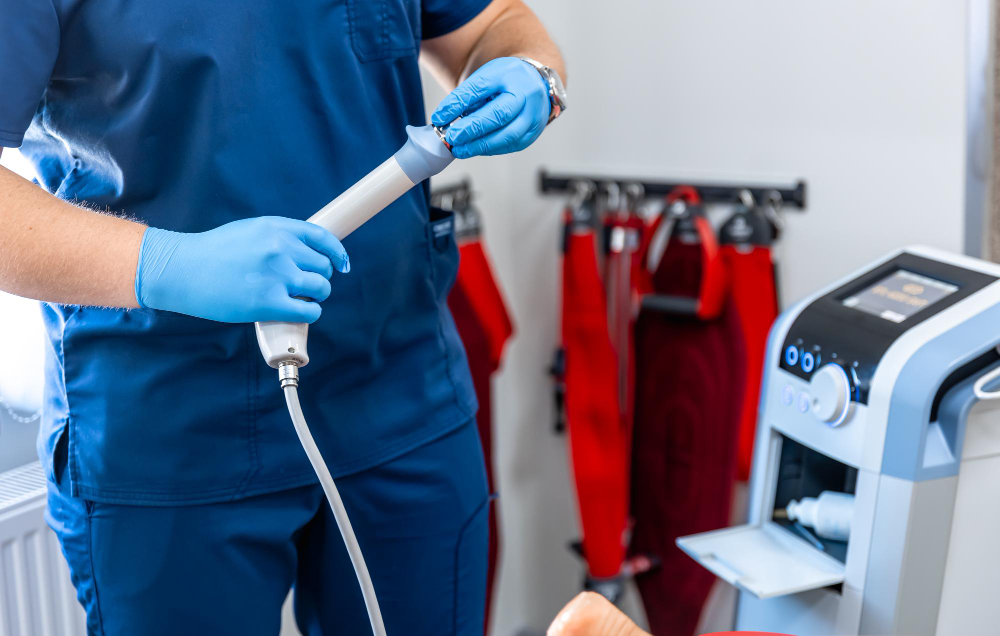
What is Radiofrequency Ablation (RFA)?
Radiofrequency Ablation (RFA) is a minimally invasive procedure used to treat pain. Doctors use RFA to target nerves that send pain signals. In orthopedic surgery, RFA helps manage joint pain and other chronic pain conditions. Many people choose RFA because it offers pain relief without major surgery. According to the CDC, chronic pain affects millions, and RFA is a safe option for many.
How Does RFA Work in Orthopedic Surgery?
During RFA, a doctor uses a thin needle to reach the painful area. Next, they send a small amount of radiofrequency energy through the needle. This energy heats the nerve tissue, stopping pain signals from reaching the brain. As a result, patients often feel less pain. RFA is often used for knee, hip, or spine pain. Because it is minimally invasive, recovery is usually quick.
Common Conditions Treated with RFA
Doctors use RFA in orthopedic surgery to treat several conditions. For example, it can help with:
In many cases, RFA is chosen when other treatments do not work. It can also be an option for people who want to avoid surgery.
Benefits of RFA
There are many benefits to choosing radiofrequency ablation for joint pain and other orthopedic conditions. Some key advantages include:
Because RFA targets only the nerves causing pain, it does not harm nearby tissues. This makes it a safe choice for many people.
Risks and Side Effects
Like any medical procedure, RFA has some risks. However, most side effects are mild and go away quickly. Possible risks include:
Serious problems are rare. Still, you should talk to your doctor about any concerns before the procedure.
What to Expect: The RFA Procedure
Before the procedure, your doctor will explain what will happen. Usually, you will lie on a table, and the area will be cleaned. Next, a local anesthetic is used to numb the skin. Then, the doctor uses X-ray or ultrasound to guide the needle to the right spot. Once in place, radiofrequency energy is applied for a few minutes. Most people feel only mild discomfort. Afterward, you can usually go home the same day.
Recovery and Aftercare Tips
After RFA, you may feel sore for a day or two. However, most people return to normal activities quickly. To help with recovery:
If you notice signs of infection, such as redness or fever, contact your doctor right away. Most people see pain relief within one to three weeks.
Prevention and Lifestyle Guidance
While RFA can relieve pain, it is also important to care for your joints. For example, you can:
These steps can help prevent future pain and keep your joints healthy.
Frequently Asked Questions
Conclusion and Call-to-Action
Radiofrequency Ablation (RFA) offers a safe and effective way to manage joint pain and other orthopedic issues. Because it is minimally invasive, recovery is often quick. If you have chronic pain and want to avoid surgery, RFA may be a good option. Consult an orthopedic specialist to see if Radiofrequency Ablation (RFA) is right for you.