
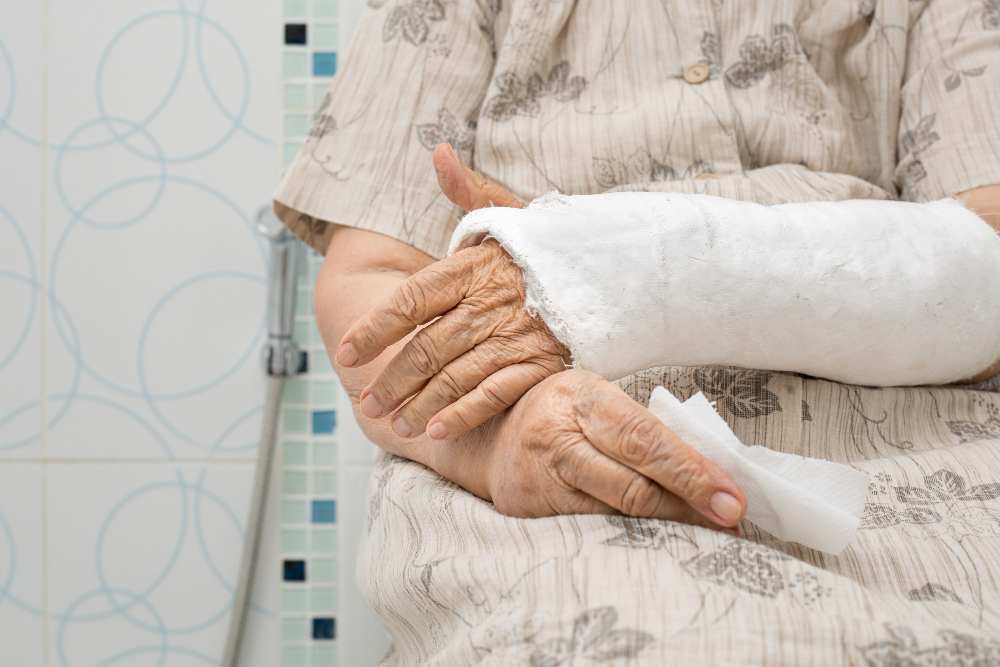
What is a Geriatric Fracture?
A geriatric fracture is a broken bone that happens in older adults, usually those over 65. These fractures are more common in seniors because bones often become weaker with age. In fact, conditions like osteoporosis can make bones thin and easy to break. Many people call these injuries elderly bone fractures. Because seniors heal more slowly, proper fracture care in seniors is very important.
Common Causes
Many factors can lead to a geriatric fracture. However, most fractures in older adults happen because of falls. Here are some common causes:
Because seniors are more likely to fall, they face a higher risk of fractures. According to the CDC, falls are the leading cause of injury in older adults.
Symptoms to Watch For
It is important to spot a geriatric fracture early. While pain is the most common sign, other symptoms may appear. Watch for these signs:
Sometimes, symptoms may be mild. Even so, any pain after a fall should be checked by a doctor.
Diagnosis Methods
Doctors use several methods to diagnose a geriatric fracture. First, they will ask about how the injury happened. Next, they will examine the injured area. Often, doctors order tests to confirm the fracture. These may include:
Early diagnosis helps doctors plan the best treatment for elderly bone fractures.
Treatment Options
Treatment for a geriatric fracture depends on the type and location of the break. However, the main goals are to help the bone heal and restore movement. Common treatment options include:
Because seniors may have other health issues, doctors often create a special care plan. In some cities, you can find geriatric fracture care centers that focus on seniors’ needs.
Prevention Tips
Preventing a geriatric fracture is possible with some simple steps. Here are tips to lower the risk:
With these steps, seniors can reduce their chance of elderly bone fractures.
Lifestyle and Recovery Guidance
After a geriatric fracture, recovery can take time. Even so, following a healthy lifestyle helps healing. Here are some tips for recovery:
Staying positive and active, as much as possible, can speed up recovery. In addition, support from family and friends makes a big difference.
For more information, you can visit trusted sources like the CDC or WHO. If you or a loved one has signs of a geriatric fracture, consult an orthopedic specialist for personalized advice on geriatric fracture care.